Securin Zero-Days
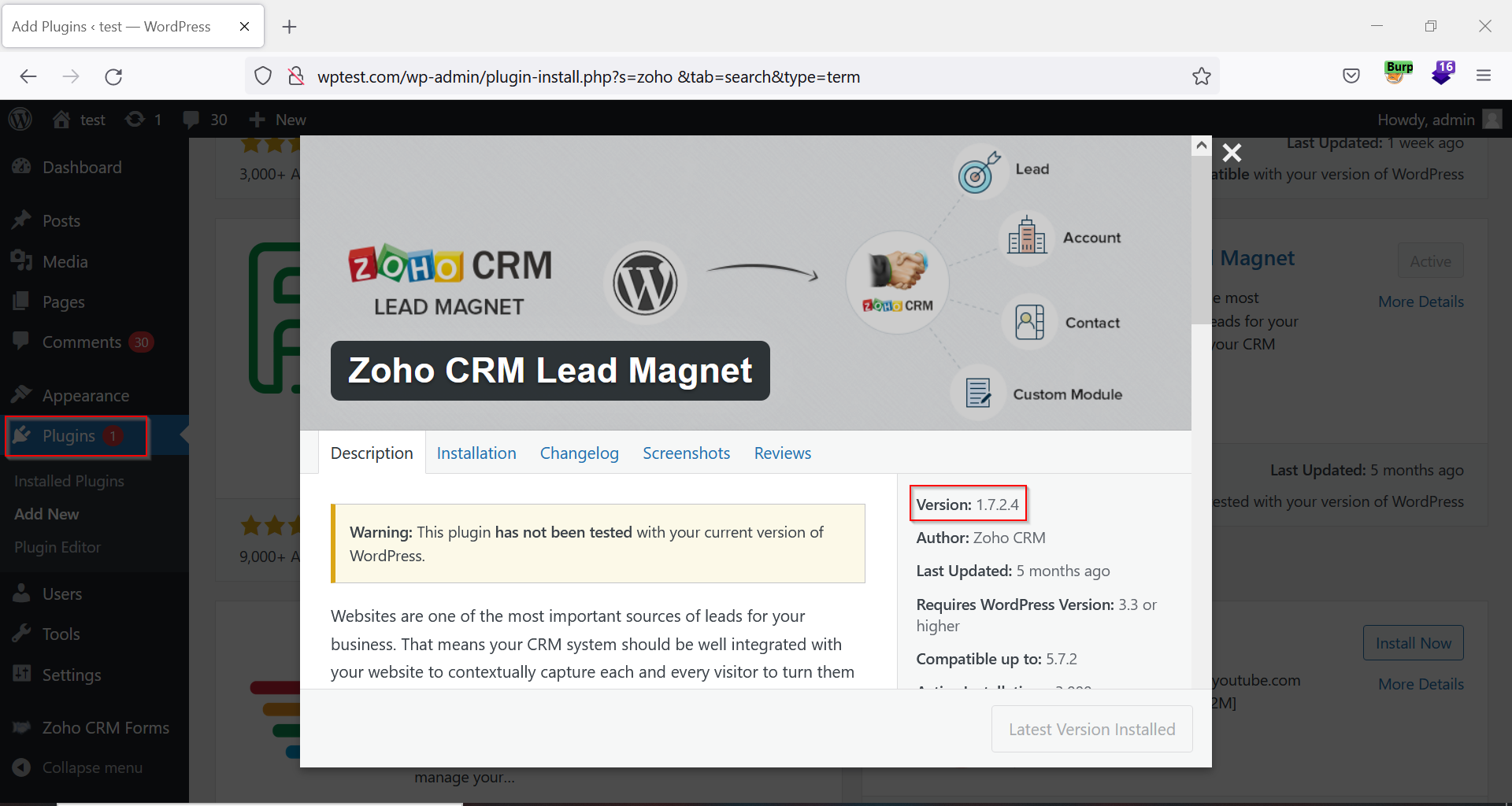
CVE-2021-33849 - Stored Cross-Site Scripting in WordPress Plugin (ZOHO CRM Lead Magnet Version 1.7.2.4)

Description
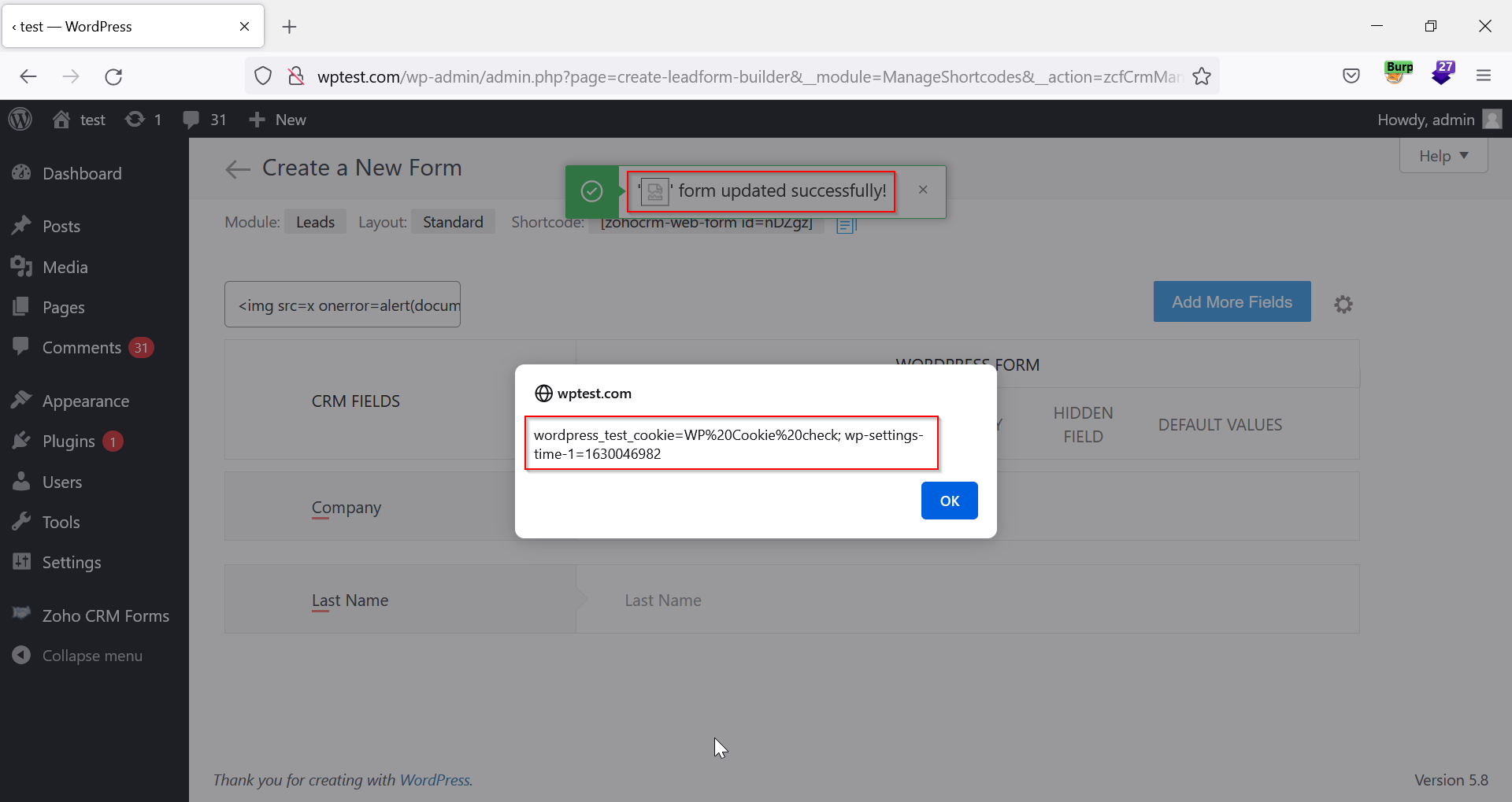
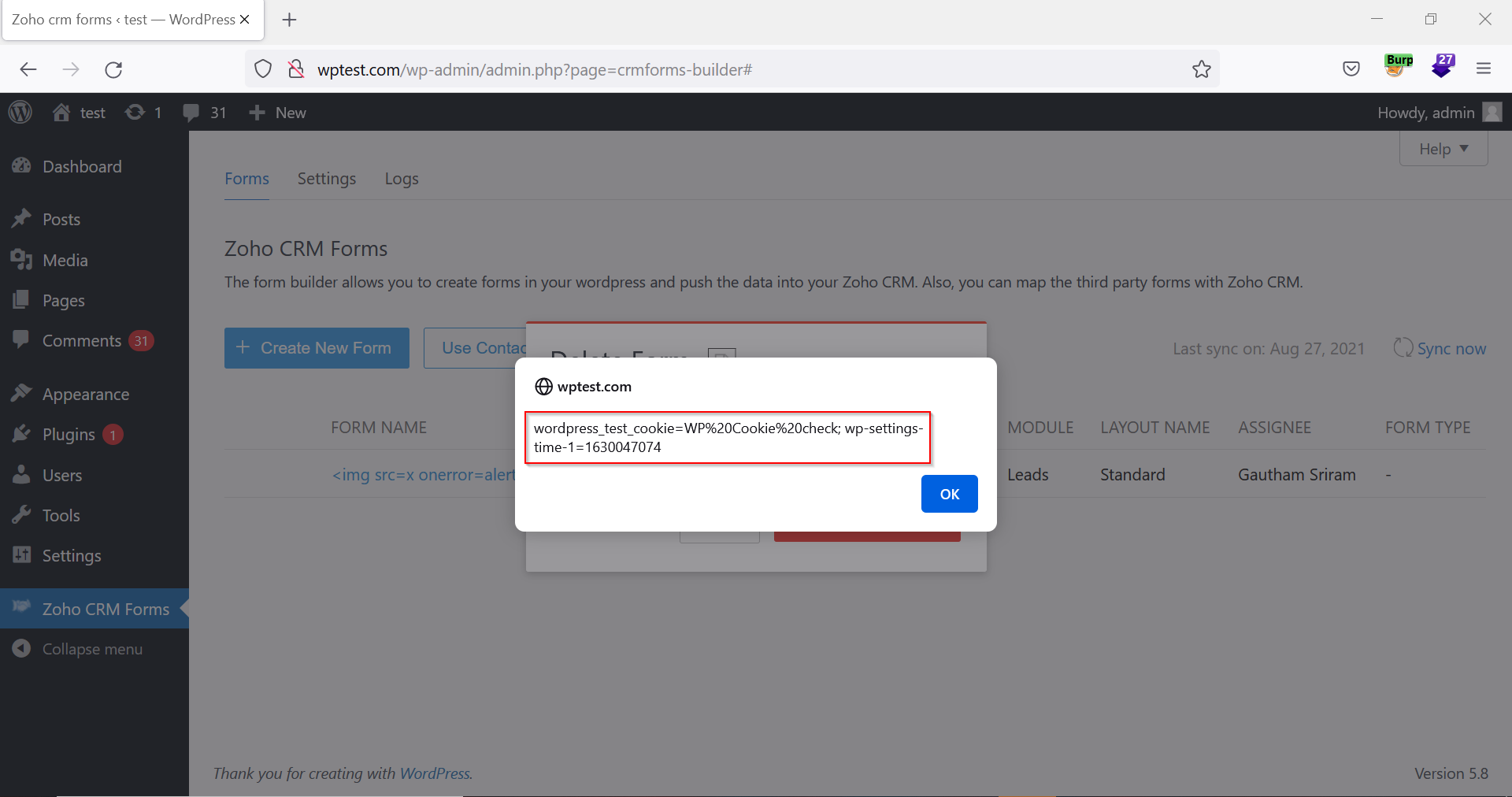
A Cross-Site Scripting (XSS) attack can cause arbitrary code (JavaScript) to run in a user’s browser while the browser is connected to a trusted website. The attack targets your application’s users and not the application itself while using your application as the attack’s vehicle. The XSS payload executes whenever the user changes the form values or deletes a created form in Zoho CRM Lead Magnet Version 1.7.2.4.
Proof of Concept (POC):
The following vulnerability was detected in Zoho CRM Lead Magnet Version 1.7.2.4
Issue: Stored Cross-Site Scripting.
Steps to Reproduce:
1. Log in to the WordPress application.
Note: A virtual host (wptest.com) was used to test the application locally.
2. Install the Zoho CRM Lead Magnet Plugin.
3. Configure the Client ID and Secret Key.
4. Click the ‘Create New Form’ button, fill the values, and then click the ‘Next’ button.
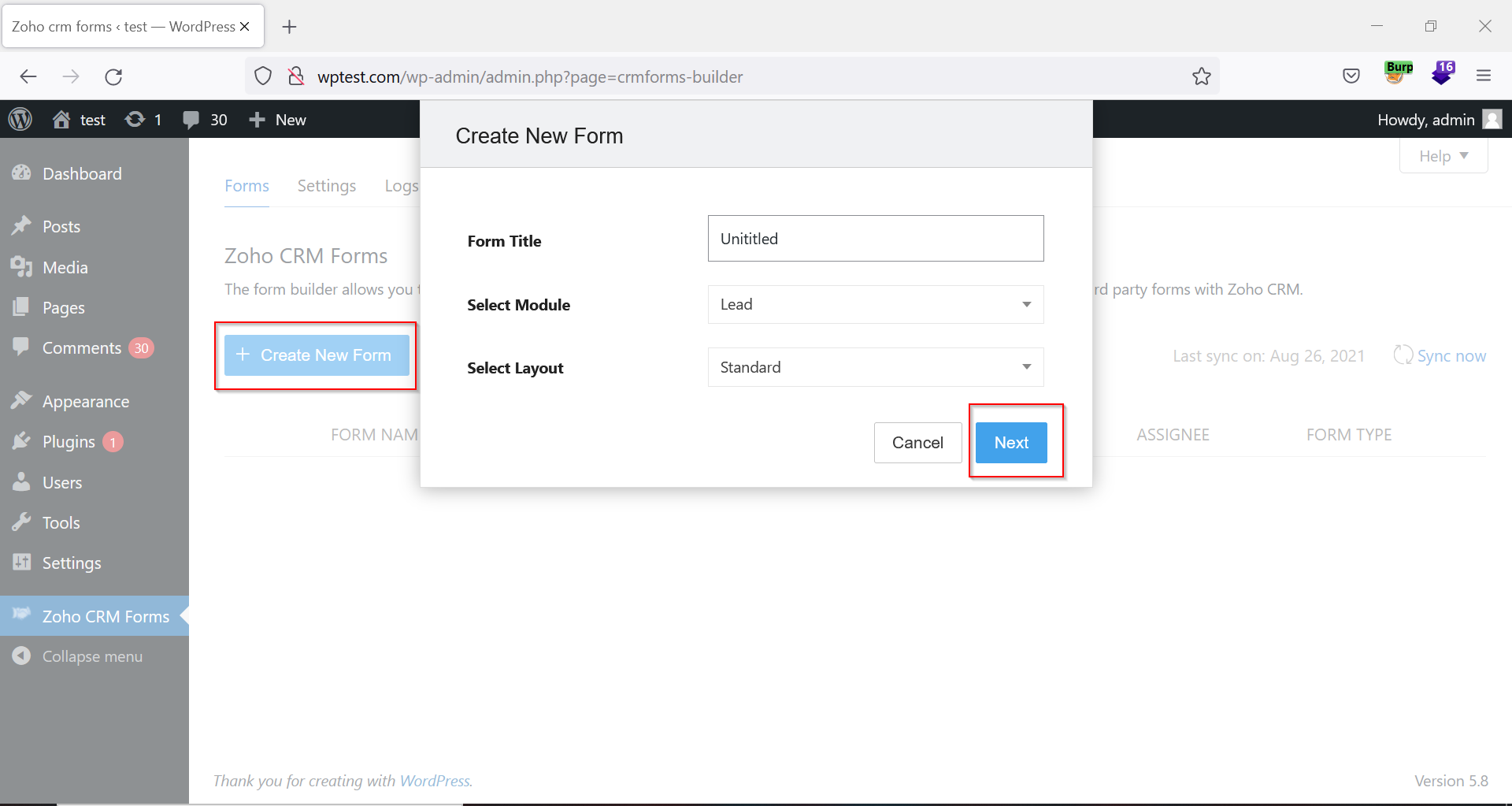
Figure 02: New form in Zoho CRM Plugin
5. Encode the payload <img src=x onerror=alert(document.cookie)> with a hexadecimal HTML encoder.
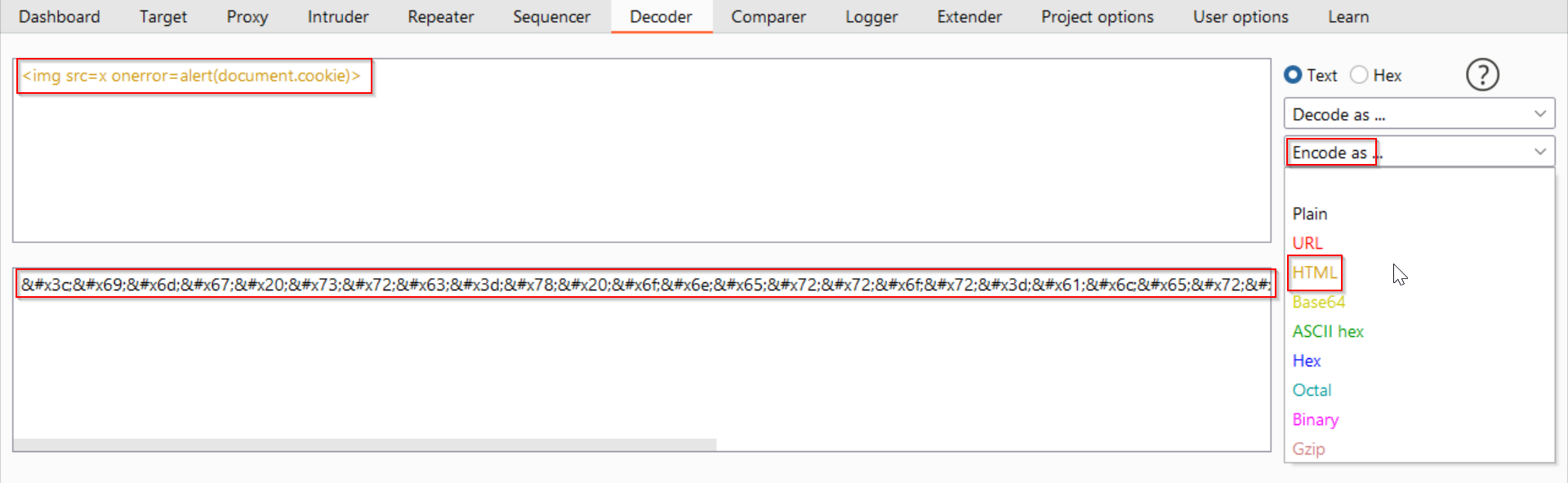
Figure 03: Encoding the Payload
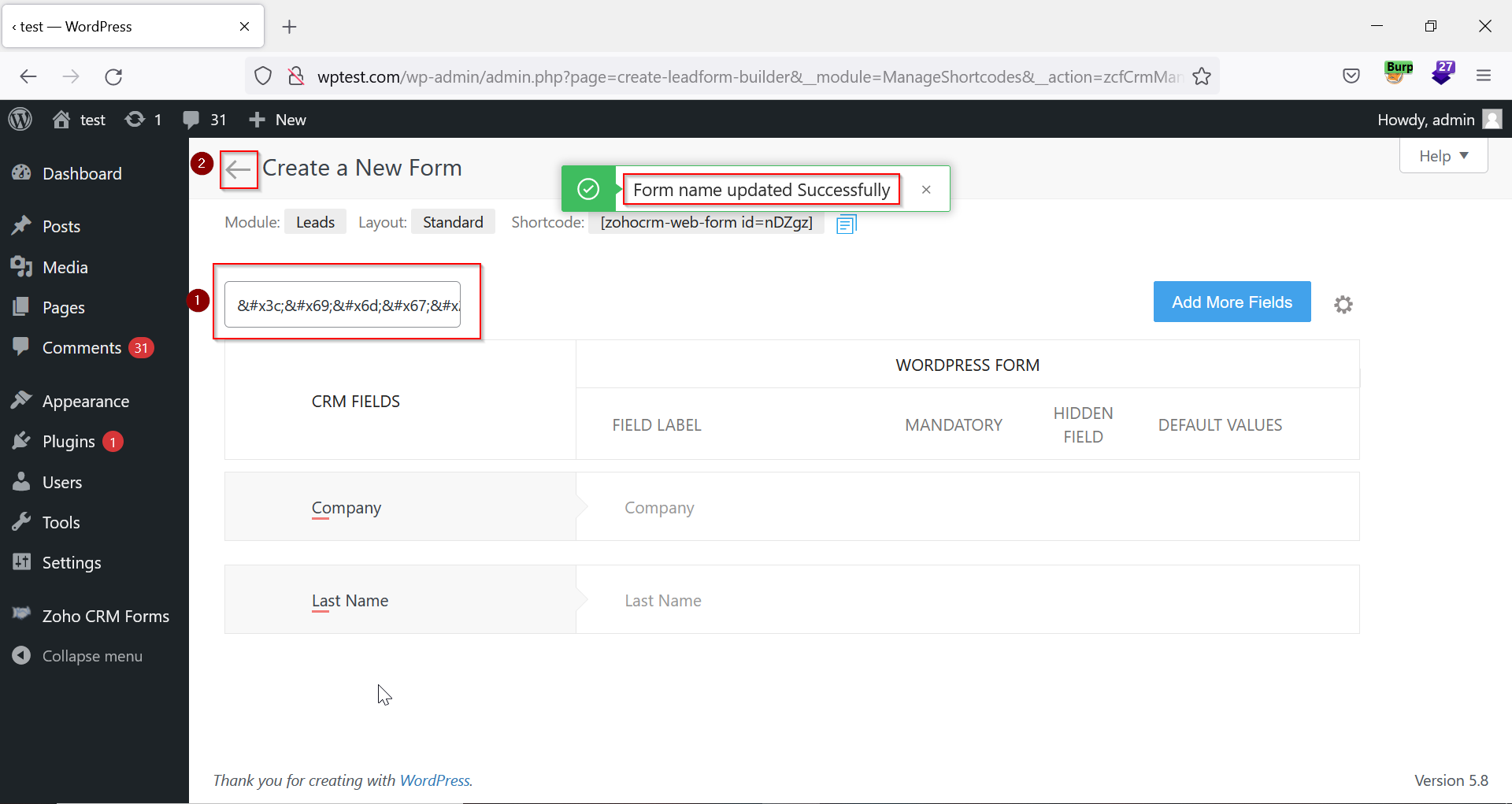
6. Enter the encoded payload in the ‘Form Name’ field (formvalue parameter) to update the form. Then, click the arrow button near the ‘Create a New Form’ heading to go back to the previous page.
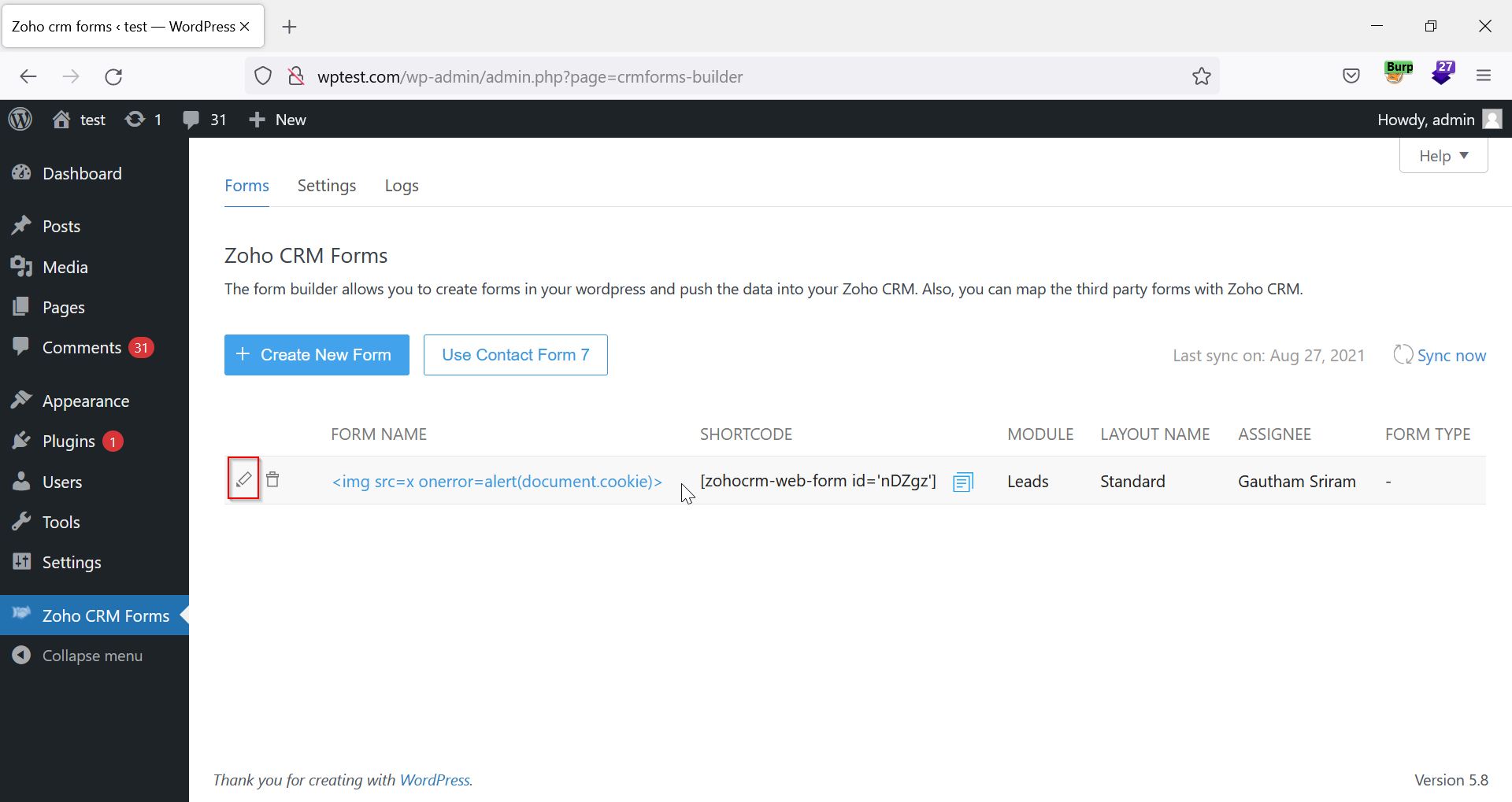
7. Click on the pencil icon to edit the created form.
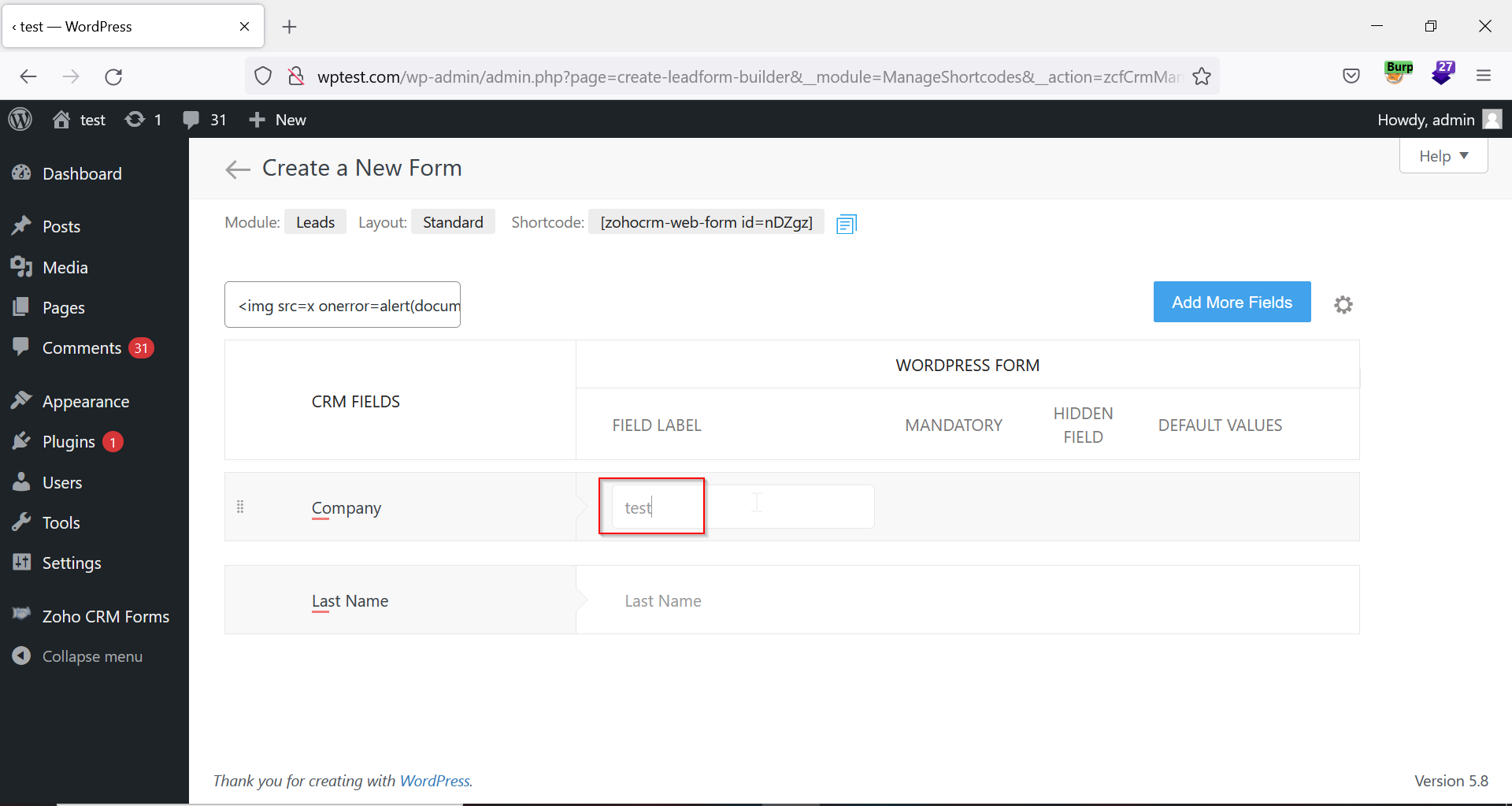
8. Change any form value, such as ‘Company’ or the ‘Last Name’.
9. The XSS payload is also executed when the user tries to delete the form.
Impact
With Cross-Site Scripting, an attacker can control a script executed in the victim’s browser and then fully compromise that user. An XSS vulnerability enables attacks that are self-contained within the application. This means that an attacker does not need to find an external means of inducing the victim to make a request containing their exploit. Rather, the attacker can insert the exploit into the application and simply wait for users to encounter it.
A Cross-Site Scripting attack results in the following:
● Cookie theft
● Disclosure of end-user files
● Installation of Trojan horse programs
● Redirection of user to some other page or site
Remediations
To fix this vulnerability, follow these steps:
- Perform context-sensitive encoding of untrusted input before it is echoed back to a browser by using the encoding library.
- Implement input validation for special characters on all variables reflected to the browser and stored in the database.
- Implement client-side validation.
Timeline
